You know that feeling, right? That relentless hum of “not enough.” Not enough hours, not enough productivity, not enough you to go around. Or as I like to say to my kids - “There’s only one Daddy.”
We’re told to hustle, to grind, to sprint our way to success. For years, I bought into it. My calendar was a battlefield, my to-do list a never-ending war, and my default state was exhaustion. I thought fifth gear was the only gear in the engine. I had to get to complete burnout, twice.
I was reminded of that old self at the Kingdom Men conference at my church. I went in expecting sermons on leadership and financial wisdom. What I got was a profound lesson on margin, velocity, and why our constant sprinting sabotages the very things we’re trying to achieve. Ben Woods was our speaker, sharing the following points:
Holy Pursuit
Holy Pace
Holy Purpose
The whole of the conference was amazing, but I couldn’t get past the pace part.
It wasn’t about doing more. It was about radically rethinking how we move through life. What if the path to impact isn’t a sprint, but a walk at the Lord’s pace?

This isn’t just about slowing down. It’s about a fundamental reorientation of our lives, our work, and our homes that promises deep care, sustained mission, and a life truly lived, not just survived.
The Modern Myth of the Relentless Sprint
The current cultural narrative is completely broken. It’s the Gospel of More, Faster, Now.
Hustle culture is mainstream. We’re told success equals suffering, sleep equals weakness, and our worth is measured by productivity metrics. This culture rewards the appearance of busy over genuine, focused output.
The smartphone has become a digital leash. The boundaries between work and life are erased. This constant state of alert prevents the mind from ever truly resting.
Even amongst Christians, there’s an unspoken competition to look successful. To have a full calendar and a resume suggesting superhuman capability. This fear of being seen as lazy fuels an unsustainable pace.
This only speed-runs burnout. A state of emotional, physical, and mental exhaustion caused by prolonged stress, often accompanied by chronic anxiety that makes stillness unbearable.
When every ounce of energy pours into the sprint, there’s nothing left for the people who matter most. Time with family becomes transactional. Conversations are rushed. True emotional presence is replaced by distracted proximity.

Ironically, running faster makes us less effective. Overwork dulls creativity, impairs problem-solving, and leads to careless mistakes. The quantity of output may increase temporarily, but the quality and sustainability plummet.
I was a fervent disciple of the relentless sprint. I believed my value was tied to my productivity. I wore my exhaustion as a badge of honor, checking email late at night and rising before dawn.
This pace didn’t produce holiness. It produced havoc. It led to health scares (like a panic attack), moments of deep cynicism, and an unsettling distance from the peace I claimed to preach.
The Kingdom Men Reminder: Redefining Velocity
My core principle of achieving velocity without burnout means we are aligning our lives with the Lord’s pace. This isn’t idleness, but a divinely ordained rhythm that sustains rather than depletes.
The world defines velocity as constant, high-speed movement leading to exhaustion. The Lord’s pace maintains movement and progress, but operates on grace, rest, and renewal. It recognizes human limits and honors the Sabbath principle—productivity is born from rest.

This concept moves beyond theology into tangible daily disciplines.
Deliberation. Every step is considered, not rushed. Decisions are bathed in prayer and wisdom, not made in panic.
Intentionality. Time, energy, and resources are invested according to Kingdom priorities. We move from reactive to proactive, purpose-driven living.
Trust. This pace requires profound relinquishing of control. We trust that God’s timeline is perfect, His provision sufficient, and His power made perfect in our weakness.
Dependence. We acknowledge our absolute need for Christ. True power comes not from striving, but from abiding in Him.
Purpose-Driven. The focus shifts from measuring success by output volume to fidelity to the assignment. We’re driven by God’s goal, not secular culture’s demands.
Slowing down allows for greater, more sustainable impact. Building in margin—time for prayer, reflection, family, and rest—creates the capacity to sustain high-impact work over a lifetime. A tree planted deeply takes time to establish roots, but it withstands the fiercest storms.
The Power of Margin: Beyond Empty Space
Burnout arises when relentless activity meets a complete absence of space. Margin isn’t an enemy of productivity.
Any moment not actively producing is a moment wasted, right? Wrong. Margin isn’t wasted time. It’s the reserve capacity that prevents collapse, enables resilience, and catalyzes innovation.

Time margin is the literal empty space in your calendar. It’s the antithesis of back-to-back scheduling.
Intentionally block out hours with no assigned task for deep work, creative problem-solving, or emergent needs. Place 15-30 minute buffers between meetings to prevent delays from derailing your day. Don’t schedule to 100% capacity—operate at 70-80%, leaving 20-30% as strategic reserve.
Energy margin ensures your emotional and physical tank never runs on empty. It acknowledges that restoration is productive.
Recognize depletion symptoms: irritability, reduced focus, excessive stimulants. Schedule sleep, exercise, and meals with the same status as major deadlines—these are operational necessities. Identify and eliminate energy leaks: doom-scrolling, chronic complaining, toxic relationships.
Financial margin removes the stress of living paycheck-to-paycheck. This directly impacts emotional and mental clarity.
A financial cushion allows decisions based on opportunity and values rather than necessity. It enables strategic risk and provides security to step away from toxic environments.
Emotional and mental margin is the most critical and hardest to maintain. It’s the capacity for stillness, self-awareness, and genuine connection.
Practice pausing to review actions, consider direction, and confirm alignment with core purpose. Allow time to digest difficult emotions and complex information without immediately moving to the next task. Be fully engaged in the current moment without racing ahead or dwelling on the past.
Creating margin requires consistent defense against the pressures of busy culture.
Audit your 168 hours. Map out a typical week honestly. Identify commitments that can be delegated, postponed, or dropped.
Define and defend boundaries. Treat your margin as appointments you can’t cancel. Learn to use “no” without guilt. Wrap your family inside your protected space.
Batch and theme. Group similar tasks into specific time blocks. Use themed days to reduce context switching and protect focus time.
Build in pauses. Schedule a 30-minute review weekly and a half-day reflection monthly to ensure you’re doing the right work.
Stop glorifying busy. Reject the narrative that equates exhaustion with importance. Measure success by quality of output and sustained well-being.
The Courage to Be Led and Slowed Down
The pursuit of a holy pace requires profound courage. It’s not the boldness to act, but the radical willingness to stop, wait, and be led into stillness and surrender.
Our society makes us feel perpetually inadequate and late. The pressure to attend every event and seize every opportunity breeds debilitating fear of being excluded or irrelevant.
The courage to choose a slower, quieter path demands confronting the lie that the best life is the fullest life. True fullness is found in alignment, not accumulation.
We must dismantle the idea that life is a competitive race. When we choose a God-directed pace, we’re not falling behind—we’re operating on a different clock. God’s metrics are directly opposed to the world’s metrics of speed and volume.
The core of this courage lies in shifting authority from our frantic ambition to God’s quiet, sovereign timing.
Life operates in two types of time: chronos (linear, clock time) and kairos (God’s opportune, perfect time). Personal ambition operates in Chronos, demanding action now. A holy pace submits to Kairos, resting in the belief that God orchestrates events perfectly.
Learn to distinguish God’s gentle, life-giving invitations from culture’s urgent, soul-draining demands.
God’s invitations bring peace, clarity, sustenance, and a sense of enough. They align with our core purpose and deepen intimacy with Him. Societal demands bring urgency, comparison, depletion, and the pursuit of external validation.
Theology without action is theory. The courage to slow down requires deliberate, practical choices.
The power of saying no. This is the ultimate act of self-leadership. Saying no to a good opportunity is often necessary to say a wholehearted yes to the best opportunity or necessary rest.
The wisdom of delegation. Recognizing you’re not indispensable and empowering others is maturity, not weakness. Delegation clears mental and physical space.
The practice of waiting and pausing. Waiting is a spiritual discipline that dismantles impatience and pride. Pausing before reacting creates a vital gap between stimulus and response, allowing the Holy Spirit to inform your next move.
In a world that celebrates noise and ceaseless motion, stillness is a beautiful, radical protest.
Stillness is worship. To be still is to declare that God is God and you are not. It’s releasing the illusion of control and submitting to a higher, gentler authority. The holy pace is sustained not by strength of will, but by the lightness of surrender.
Rest as a Weapon, Not a Weakness
The relentless pace of modern life equates productivity with constant motion, viewing rest as a luxury or laziness. This misunderstanding is the fast track to burnout.
To achieve a holy pace, we must embrace deep, integrated rest. This goes far beyond pausing work—it’s about cultivating margin in our lives.
Many people rest through passive consumption: endless scrolling, binge-watching, mindless gaming. While these offer temporary escape, they often fail to truly rejuvenate, sometimes leaving us more drained. True rest is an active state of non-doing that is deliberately restorative.

True replenishment requires engaging different types of rest.
Creative rest. Engage in activities that ignite imagination and wonder: visiting a museum, listening to music, gardening, or unstructured play.
Spiritual rest. Reconnect with core values and purpose through meditation, prayer, contemplative reading, or time in nature. This anchors you against chaos.
Emotional rest. Minimize the need to be “on” or manage others’ emotions. Set healthy boundaries, be authentic with safe people, and reduce exposure to emotionally draining environments.
Physical rest. This encompasses both passive rest (sleep) and active rest (low-impact movement like stretching, walking, or massage).
The ancient practice of Sabbath offers a powerful framework—not just a break from work, but a principle of ceasing effort, delighting in what is, and acknowledging sufficiency.
Integrate the principle of Sabbath into your week through daily and weekly mini-Sabbaths: a quiet coffee break, a no-work dinner, or an hour dedicated purely to joy that produces nothing.
Rest is a performance-enhancing necessity—the incubation period where ideas gestate and complex problems are solved subconsciously.
Sustained creativity. The brain needs downtime to make novel connections. Forcing creativity leads to diminishing returns. Breakthroughs often happen after rest.
Wisdom. Margin allows reflection and perspective. Without rest, we react impulsively. With rest, we respond thoughtfully, leading to wiser decisions.
Resilience. Rest replenishes the emotional and physical reserves necessary to weather setbacks and maintain composure. A rested person is a resilient person.
Schedule margin. Treat rest and transition time like appointments. Block out Deep Work time and Deep Rest time.
Establish clear boundaries. Define a firm end-of-work time daily and stick to it. Turn off work notifications during rest hours.
Create transition rituals. Build a routine to signal the shift from work to rest: closing your laptop, a short walk, changing clothes.
Prioritize creative and spiritual rest. Schedule one activity weekly that’s purely for joy, spiritual connection, or creative exploration.
Audit your consumption. Replace periods of passive consumption with activities that align with one of the four types of true rest.
Cultivating a Culture of Deep Care in Your Home
Our relentless professional pace inevitably spills into our personal lives, transforming our homes into stressful extensions of the workplace. The constant pressure depletes the margin necessary for genuine family connection.
We must intentionally shift the home environment. A task-list home prioritizes efficiency, chores, and schedules, treating family members as items to be managed. A person-first home places emotional, relational, and spiritual well-being above demanding logistics. I was inspired by Ben’s Culture Code to value my family, our time, together.
Quality time isn’t a quantity, but an intensity of presence.
Scheduled, unscheduled time. Block out time intentionally left open for spontaneous connection, play, or simply being together.
Active listening as a spiritual discipline. Put down devices, make eye contact, and truly seek to understand what a spouse or child is communicating.
The sacred rhythm of shared meals. Reclaim the dinner table as a sanctuary. Slow down eating, share highs and lows, and create a no-phone zone.
When work or ministry becomes all-consuming, it fractures the family unit, positioning mission as a competitor for attention. The goal is to integrate the family’s calling so external mission becomes a shared, life-giving purpose.

Identify core values as a family. Articulate your shared why through a collaborative process to define principles (hospitality, generosity, faith, justice) that govern family decisions.
Engage in mission together at a sustainable pace. Find age-appropriate service opportunities the family can perform as a unit: volunteering together monthly, supporting a local cause. Recognize that being present in their immediate community is a vital mission field.
Family meetings. Establish weekly structured time (30-60 minutes) to review schedules, address conflicts, delegate responsibilities, and check in on well-being.
Rituals. Create small habits that signal transition and prioritize connection: bedtime tuck-in, weekend pancake breakfast, or designated date night.
Protect sacred time. Identify specific blocks (Sundays, weeknight evenings, annual vacation) as completely off-limits to work. Communicate these boundaries clearly.
Model intentionality. The most powerful lesson is watching parents manage time and energy with wisdom: visibly putting down the phone, discussing the value of rest, and apologizing when one’s pace becomes too hurried.
Your Invitation to a Different Kind of Life
The core of our pursuit is a fundamental shift in rhythm—a transformation from frantic pace leading to exhaustion, to fruitful pace marked by presence, productivity, and deep satisfaction.
We’re moving from a life dictated by the tyranny of the urgent toward a deliberate, purposeful existence that honors both our capabilities and our limitations.
The temptation is to overhaul everything at once, making radical, unsustainable changes that lead to relapse. True transformation is built not on a sudden sprint, but on committed, sustainable steps.
Look honestly at your life and identify just one area where you can intentionally slow down and create margin.
Consider your schedule. Is there one recurring commitment you can eliminate, delegate, or reduce? Examine your technology use. Can you implement one tech-free block daily? Look at your inner life. Where can you introduce a small, consistent pause?
This isn’t about checking a box. It’s about choosing a new posture—intentionally inserting space for grace where there was only anxiety.
The pursuit of holy pace isn’t a project to complete, but ongoing realignment. You won’t arrive at a static state of perfect balance. Life is dynamic, seasons change, and unexpected pressures will emerge. The goal isn’t to eliminate chaos, but to develop the muscles to navigate it with grace and wisdom.
Embrace imperfection. There will be days when you sprint and slip back into old habits. Don’t view this as failure, but as feedback.
Cultivate patience. Deep transformation takes time. The roots of frantic living are deeply embedded.
Find your community. This path is best traveled alongside others. Share struggles, celebrate victories, and seek guidance from those who’ve created margin in their lives.
Your worth isn’t measured by your output, but by your being. The shift from frantic to fruitful is the lifelong practice of recognizing that true velocity without burnout is simply walking at the pace set by the One who calls you.
As I left that conference, my head wasn’t buzzing with new strategies for optimizing output.
Instead, I felt profound peace and renewed understanding of true strength.
The message wasn’t to stop running entirely, but to lay down the constant, frantic sprint that leaves us depleted. It was an invitation to pick up a different rhythm, one dictated not by the world’s demands, but by divine leading.
Conclusion
Imagine a life where you move with purpose, not panic. Where your velocity is measured not just by speed, but by depth of presence, sustainability of impact, and the thriving health of your soul and home.
This isn’t just about personal well-being. It’s about building a life that reflects deep care, sustains lasting mission, and allows you to show up fully for God, for others, and for yourself.
It’s a path that requires trust, surrender, and the courage to say no to the incessant pull of more. But the promise? A life infused with genuine margin, profound rest, and a steady, impactful pace that transforms everything.
Are you willing to be led, to be slowed down, and to discover the power of walking at the Lord’s pace?
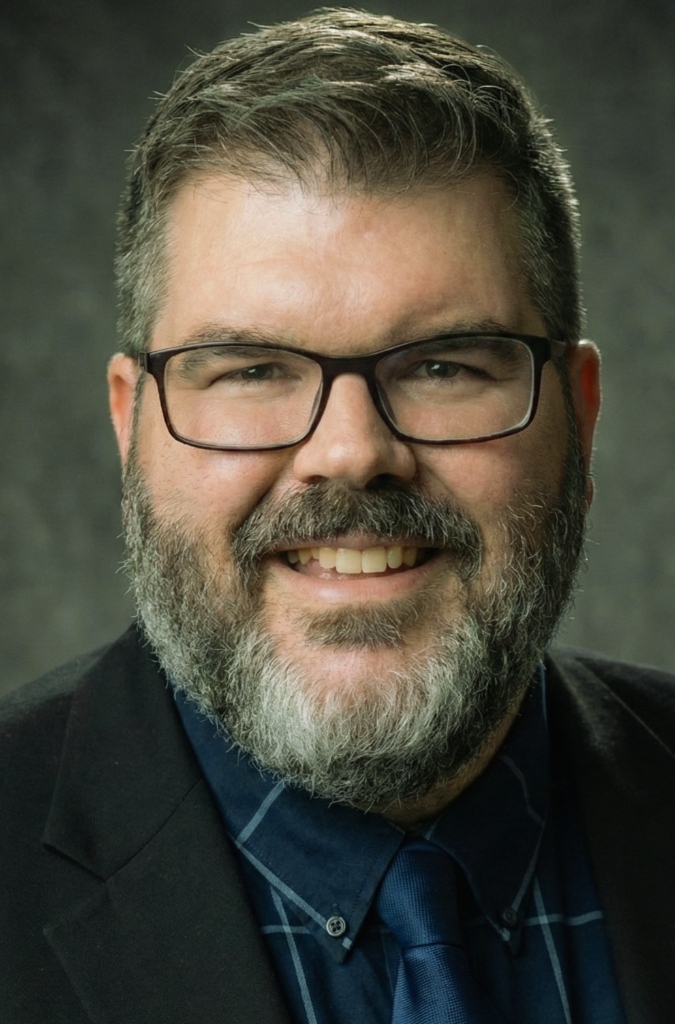
Christopher Lynn
Systems Coach for Overwhelmed Leaders.
Need help implementing this?
Stop trying to figure it out alone. Let's build this system for you.
Book a Strategy Call